Ko wai mātou?

He aha te kaupapa?

Our kaupapa is pretty simple: every rangatahi should have access to their culture and be able to be proud of who they are. We want to create resources and advocate for rangatahi across Aotearoa and beyond to have that.

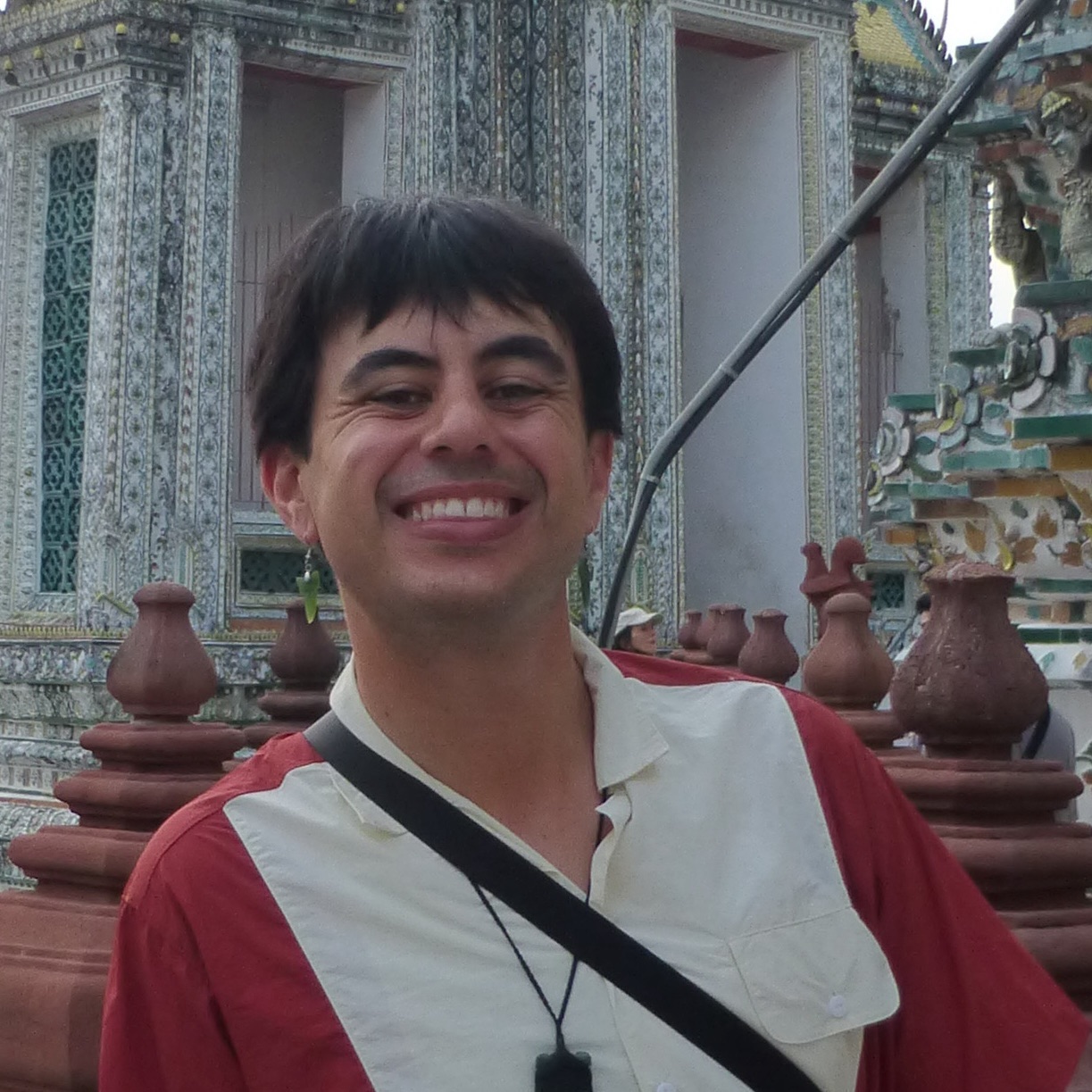
Logan Hamley

Logan Hamley

he/they

He uri ahau nō Te Awa Tupua, mai i te kāhui maunga ki te moana, ko au te awa, ko te awa ko au, mauri ora ki a koutou.

Logan is the main researcher on the project and descends from Whanganui on his dad’s side and is Pākehā on his mum’s side. He enjoys researching alongside rangatahi and is always inspired after every wānanga. He works for Whakauae Research Services Ltd, a Ngāti Hauiti-led research centre. He lives in Tāmaki with his husband.
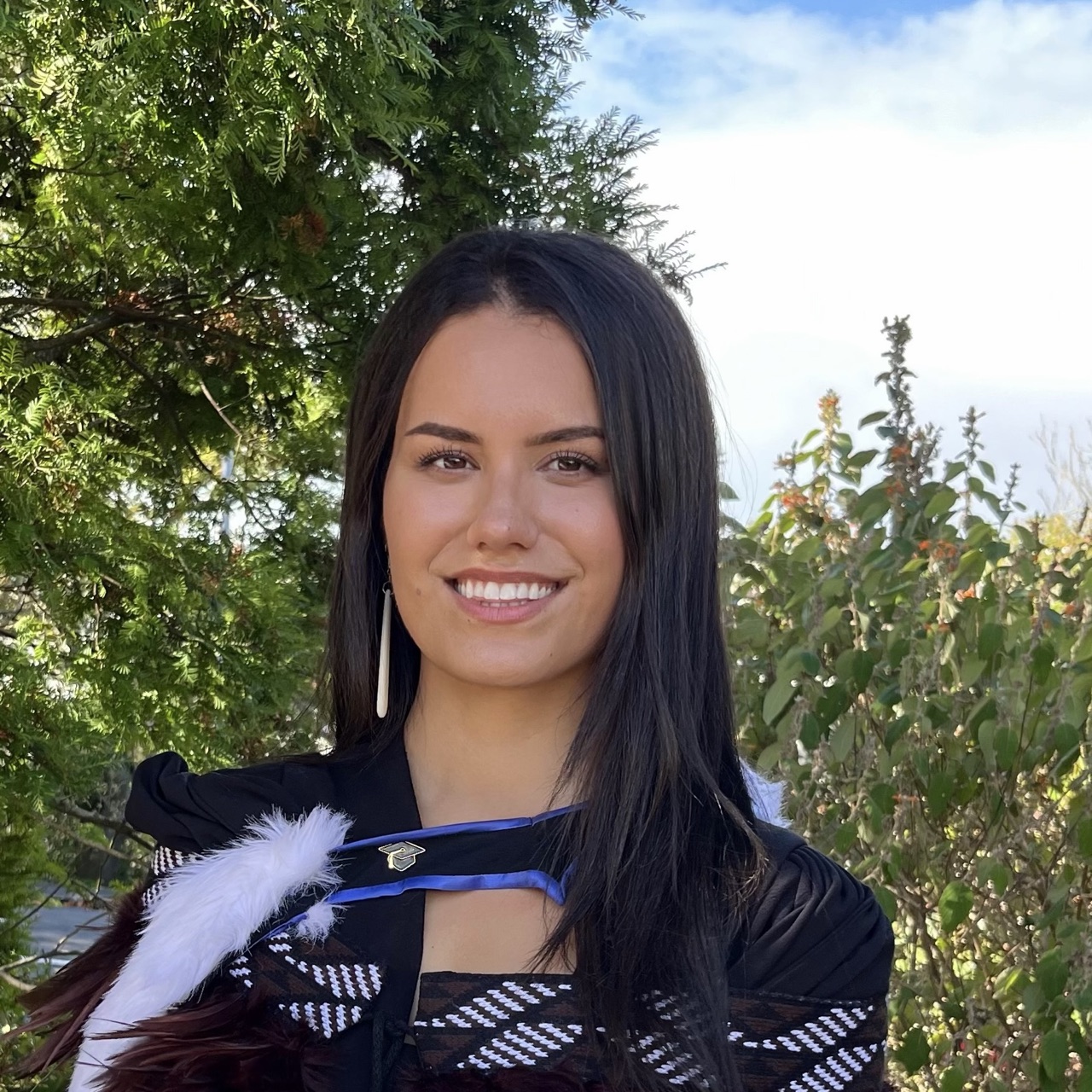
Saffron Stanley

Saffron Stanley

she/her

Tēnā koutou! He uri ahau nō Ngāi Te Rangi, Ngāti Maniapoto, me Ngāi Tahu. I was a research assistant on this kaupapa from 2024-early 2026. I’m passionate about Māori identity, and for rangatahi to feel like they can stand strong in their Māoritanga, so it has been awesome to be a part of this project, and to hear the stories that rangatahi have shared about identity and the things that matter to them. Outside of my day job, I love surfing (badly), lifting heavy(ish) weights, and going on hikes around Tāmaki Makaurau.

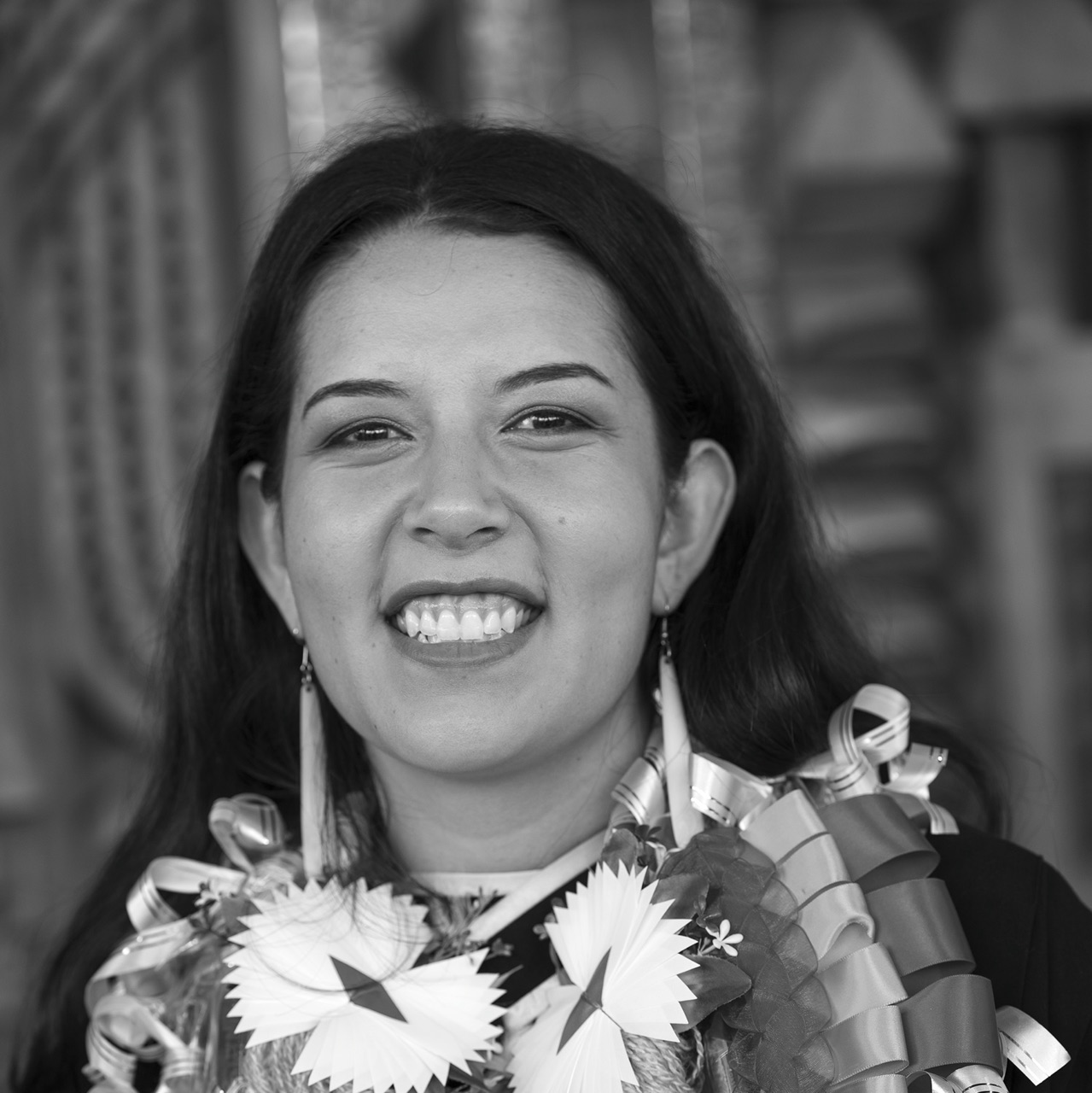
Ruby Macomber

Ruby Macomber

she/her

Ruby Macomber (Ngāpuhi/Rotuma) is a writer, criminal defence lawyer and community arts facilitator based in Tāmaki Makaurau. She is passionate about rangatahi narrative sovereignty.

The Rangahau

Our research is funded by the Health Research Council of New Zealand for three years to support that kaupapa nui. To make it achievable we have split it into three phases, or parts.

Phase 1

We looked through the research with rangatahi to identify what was working well and used it to inform our next phase. Read more in the project update.

Phase 2

We held 5 wānanga throughout Aotearoa where we asked rangatahi about what advice they would give to a friend Nikau, who wanted to reconnect with their culture before they shared about their own identity. Finally we asked young people about how to build a survey that would help other rangatahi to share whakaaro about culture and identity in a similar way to the wānanga.

Phase 3

The final part of the project involves a bilingual survey where we want 300 rangatahi to share their kōrero with us.